Tehran, National Museum
Q1631008I think that one of the problems with modern museums is that they try to evoke some kind of mysterious atmosphere: in poorly-lit rooms, you can see only a couple of objects lying there, beautifully spotlighted, just looking mysterious. The illumination allows you to look at it from one point of view, but not from other angles. Photography is almost impossible. In other words, you cannot study the objects.
I get the impression that museums are now leaving this cul-de-sac, and return to decent displays. The Archaeological Museum of Tehran has never succumbed to ill-directed aestheticism, and this makes it, easily, one of the better museums dedicated to ancient culture.
This does not mean that there are no beautiful objects. The first part, dedicated to the Neolithicum and Bronze Ages, culminates in the pottery from Susa, which is just splendid. Recently, this part has been redesigned; several objects from the important excavations at Jiroft have been inserted, to name but one change.
Passing along a nice sculpture of a bovine from Choga Zanbil, you will reach the Iron Age, where you will find an Assyrian and an Urartian inscription, and countless small objects. They are interesting, but your attention is drawn by the great relief next to it, from the northern stairs of the Apadana in Persepolis. Next to it, about half-way through the exhibition, is the statue of Darius from Susa (more…). I visited the museum yesterday with an Egyptologist, who was fascinated by the hieroglyphs.
There are some other Achaemenid remains, including several inscriptions (like this one) and some fine art. Here, you will also see a Penelope in wet-drapery style, taken to Persepolis by either Xerxes or Mardonius.
Compared to the Achaemenid age, the Greek, Parthian, and Sasanian ages are a bit underrepresented. From the Greek age is a fine bust of a Muse, from the Parthian age is a splendid bronze statue of a prince (one of the few remaining bronze statues from Antiquity), and from the Sasanian age are the spooky salt men and some mosaics from Bishapur, made by Antiochene artists.
The museum has a treasury that contains precious objects, made of silver and gold, but it is often closed. Asking for permission to get there is futile. In this aspect, the Tehran Museum suffers from the same error as western museums: it creates obstacles for students. I think this is inexcusable. There is simply no reason why a museum should hide its entire collection from people who have made an effort to get there.
This being said, the Tehran museum is really something special. Next to it is the museum of Islamic Art, which has not been open for quite some time; I remember that I liked it very much. Around the corner you will find the Ministry of Foreign Affairs, situated in a building that is inspired by the Persepolis Apadana; and around another corner, you will find a charming museum dedicated to fine art made of glass. If you have only one day in Tehran, spend it in this part of the city.
This museum was visited in 2004, 2005, 2008, 2009, 2010, 2011, 2012, 2013, 2014.
100 pictures related to this museum
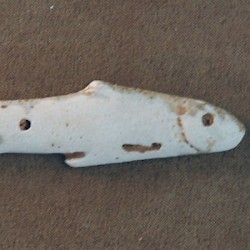 Susa, Stone fish |
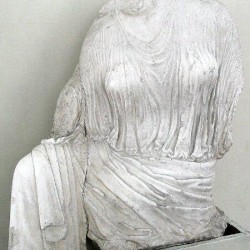 Persepolis, Treasury, Statue of Penelope |
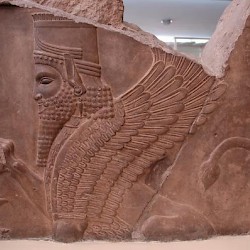 Persepolis, Palace of Darius, Relief of a sphinx |
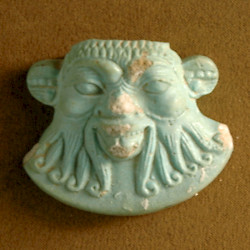 Amulet of Bes from Iran |
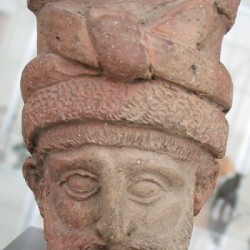 Achaemenid nobleman |
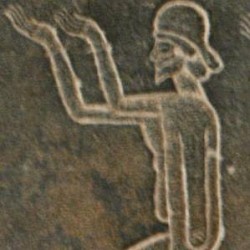 Susa, Statue of Darius, Subject m'dy (OP. Mâda = Media) |
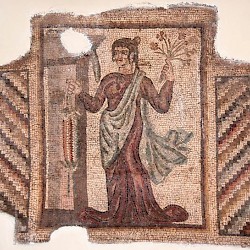 Bishapur, Palace, Mosaic of a lady with flowers |
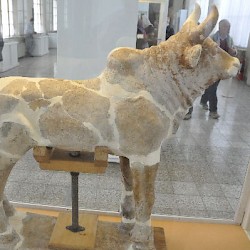 Choga Zanbil, Inner Court, Statue of a cow |
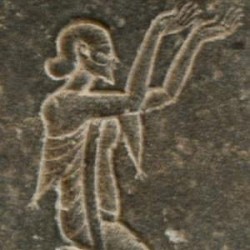 Susa, Statue of Darius, Subject sk3tl3 (OP. Skudra = Thrace) |
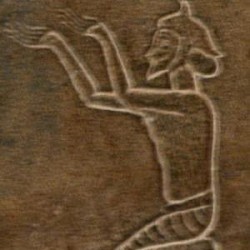 Susa, Statue of Darius, Subject sg?shkš (OP Sâka = Scythians) |
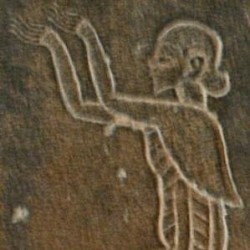 Susa, Statue of Darius, Subject hlhdy (OP. Gandâra = Gandara) |
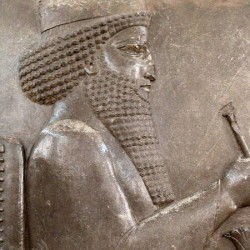 Persepolis, Apadana, Northern Stairs, Central Relief, Darius |
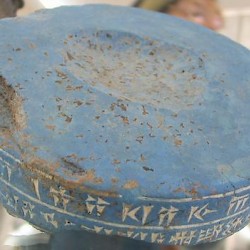 Persepolis, Palace of Darius, Doorknob with inscription DPi |
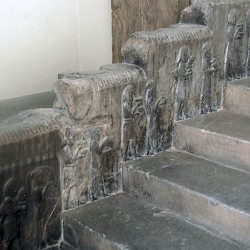 Persepolis, Tripylon, Staircase |
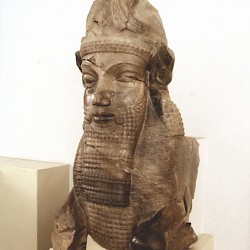 Persepolis, Tripylon, Lamassu capital |
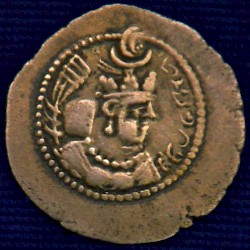 Yazdgard II |
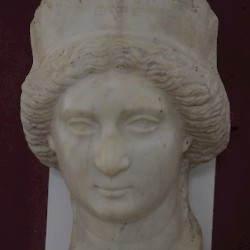 Susa, Hellenistic portrait of a Muse |
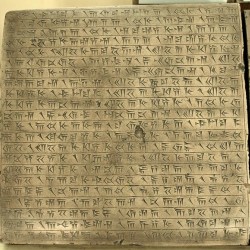 Persepolis, Queen's Quarters, Inscription XPf, Persian text (Tehran copy) |
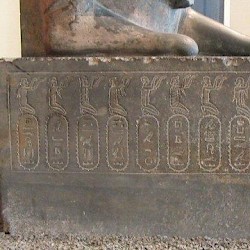 Susa, Statue of Darius the Great, left-hand side of the base |
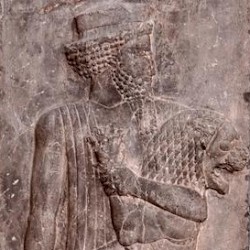 Royal Warrior |
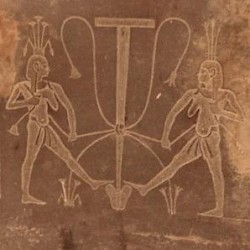 Susa, Statue of Darius the Great, Base with sema-tawy (rear) |
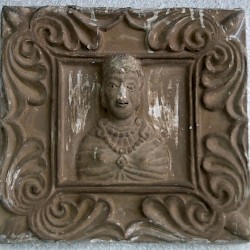 Damghan, Sasanian relief |
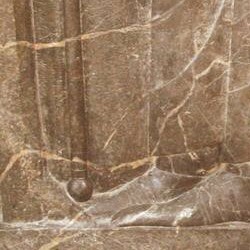 Persepolis, Apadana, Northern Stairs, Central Relief, Guard, "Apple" |
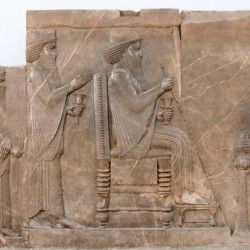 Persepolis, Apadana, Northern Stairs, Central Relief (Proskynesis scene) |
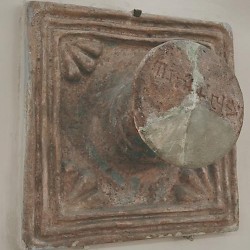 Choga Zanbil, Ziggurat, Doorknob (Tehran) |
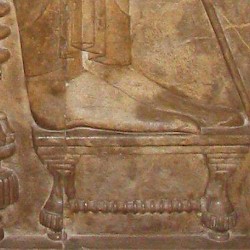 Persepolis, Apadana, Northern Stairs, Central Relief, Darius' stool |
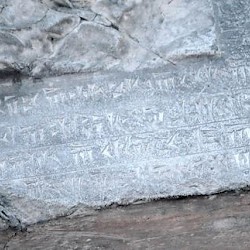 Susa, Inscription A2Sd |
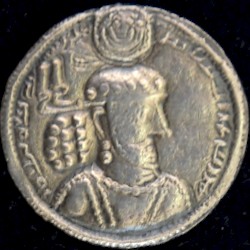 Ardashir II (Hormizd I), coin |
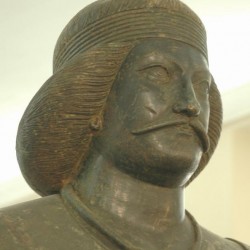 Head of a bronze statue of a Parthian prince, found at Shami, Khuzestan |
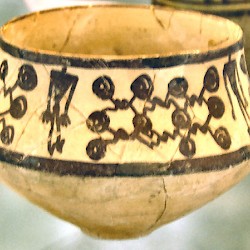 Tepe Sialk, Cup from the fourth millennium decorated with a human figure |
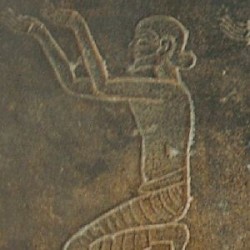 Susa, Statue of Darius, Subject s3htjl (OP. Bâkhtriš = Bactria) |
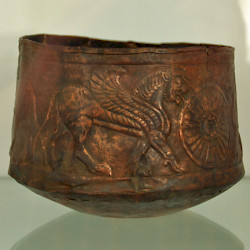 Hamadan, Achaemenid cup with relief of a winged lion |
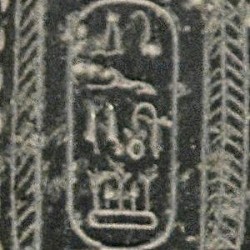 Susa, Statue of Darius, Darius' name as cartouche: drjwS |
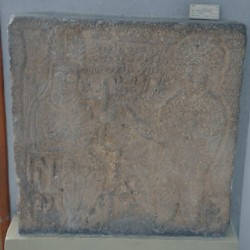 Susa, Relief of Artabanus IV |
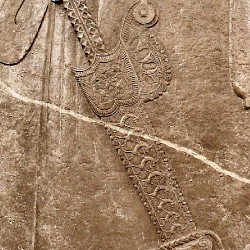 Persepolis, Apadana, Northern Stairs, Central Relief, Weapon carrier, Akinakes |
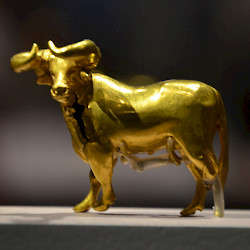 Hamadan, Achaemenid statuette of a bull |
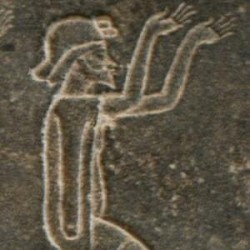 Susa, Statue of Darius, Subject gdpdk3y (OP. Katpatuka = Cappadocia) |
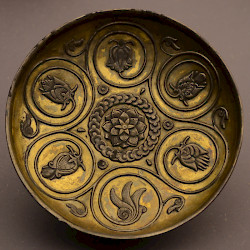 Hamadan, Sasanian dish |
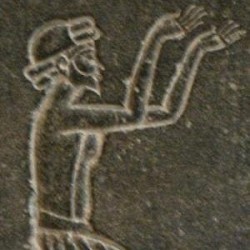 Susa, Statue of Darius, Subject 3lm'yn3 (OP. Armina = Armenia) |
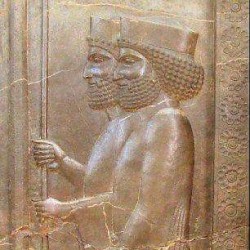 Persepolis, Apadana, Northern Stairs, Central Relief, Guards |
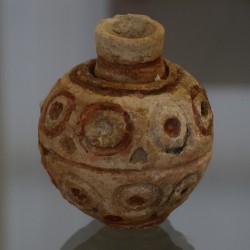 Tepe Hisar, Late Bronze Age phial |
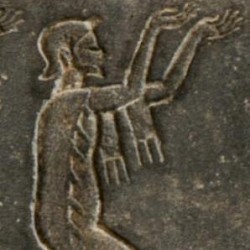 Susa, Statue of Darius, Subject t3 tjmhw (OE. Tjemehu = Cyrenaica) |
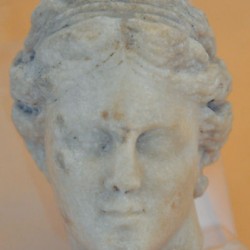 Hellenistic portrait of a queen |
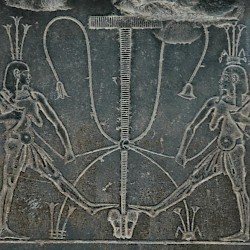 Susa, Statue of Darius the Great, Base with sema-tawy (front) |
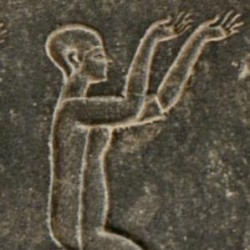 Susa, Statue of Darius, Subject kmt (OE. Kemet = Egypt) |
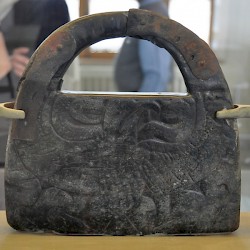 Iranian Azerbaijan, Stone weight |
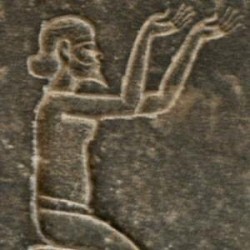 Susa, Statue of Darius, Subject 3Sw3l (Assyria) |
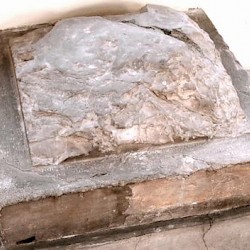 Susa, Inscription A2Sd |
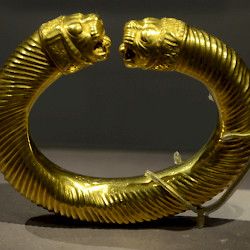 Hamadan, Achaemenid torque |
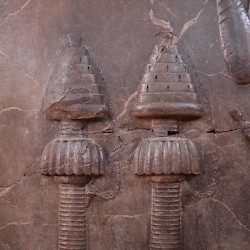 Persepolis, Apadana, Northern Stairs, Central Relief, Incense burners |
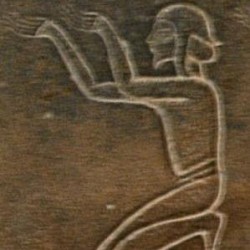 Susa, Statue of Darius, Subject ch3rs3m' (OP. Uvârazmîy = Chorasmia) |
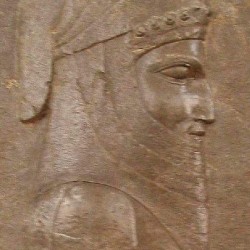 Persepolis, Apadana, Northern Stairs, Central Relief, Great Magian |
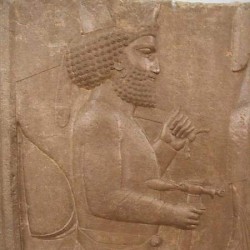 Persepolis, Apadana, Northern Stairs, Central Relief, Weapon carrier |
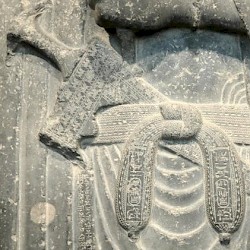 Susa, Statue of Darius the Great, Belt with akinakes |
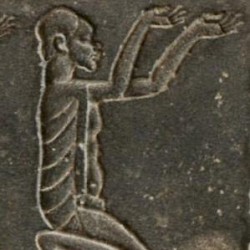 Susa, Statue of Darius, Subject t3 nhsy (Kush) |
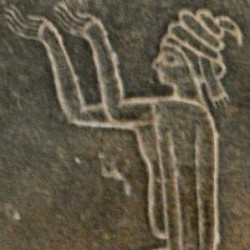 Susa, Statue of Darius, Subject hlw3 (OP. Haraiva = Aria) |
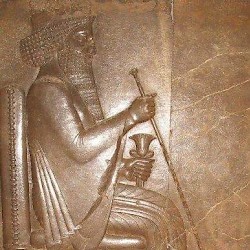 Persepolis, Apadana, Northern Stairs, Central Relief, Darius on his throne |
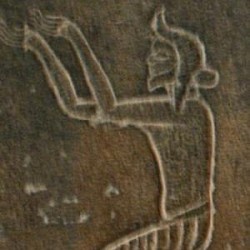 Susa, Statue of Darius, Subject skdy (OP. Sugda = Sogdia) |
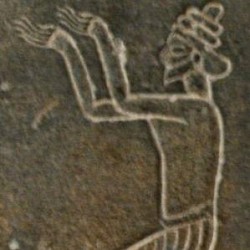 Susa, Statue of Darius, Subject pltiiw3 (OP. Parthava = Parthia) |
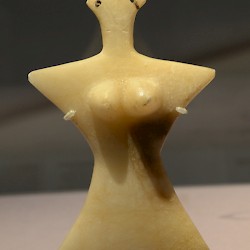 Tepe Hesar, Figurine |
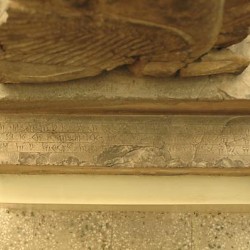 Susa, Inscription DSy |
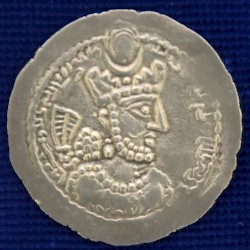 Bahram V |
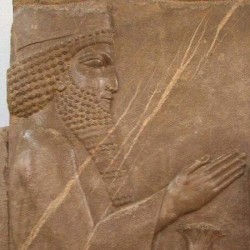 Persepolis, Apadana, Northern Stairs, Central Relief, Prince |
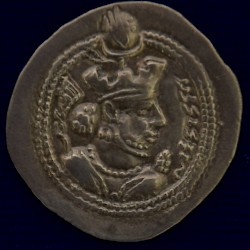 Valkash |
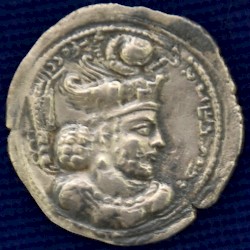 Bahram IV |
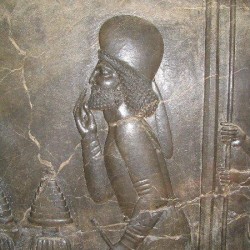 Persepolis, Apadana, Northern Stairs, Central Relief, Pharnaces |
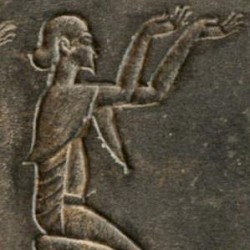 Susa, Statue of Darius, Subject m'g (Maka) |
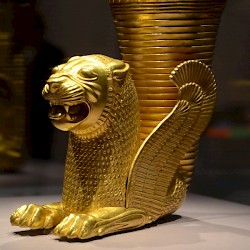 Hamadan, Achaemenid rhyton |
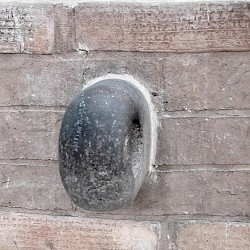 Choga Zanbil, Ziggurat, Inner gate, Lock with Inscription |
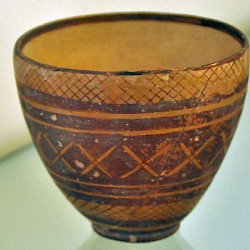 Tepe Sialk, Cup from the first millennium |
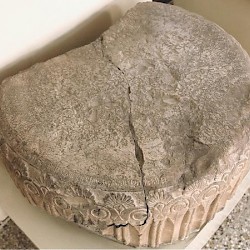 Susa, Inscription A2Sb |
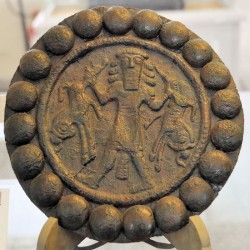 Iranian Azerbaijan, Disk with a deity with two wild animals |
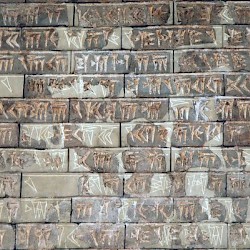 Persepolis, Apadana, Inscription XPg |
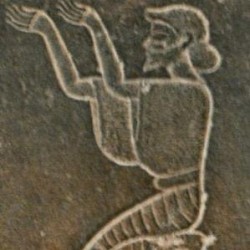 Susa, Statue of Darius, Subject '3ylm "Chiefs of Irem" (Elam) |
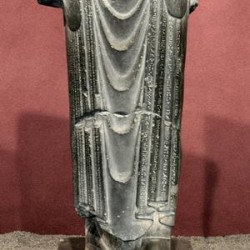 Susa, Statue of Darius, once erected in Egypt, but later brought to Susa. |
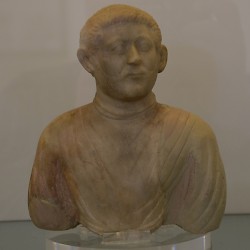 Susa, Sassanian portrait |
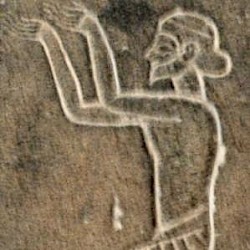 Susa, Statue of Darius, Subject sdgw3? (OP. Thataguš = Sattagydia) |
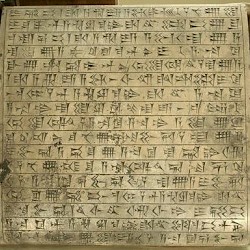 Persepolis, Queen's Quarters, Inscription XPf, Babylonian text |
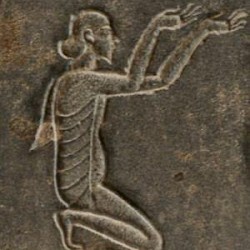 hndw3y (OP. Hinduš = India) |
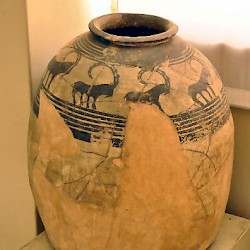 Tepe sialk, Jar from the fourth millennium BCE, decorated with ibexes |
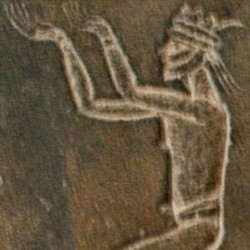 Susa, Statue of Darius, Subject slng (OP. Zranka = Drangiana) |
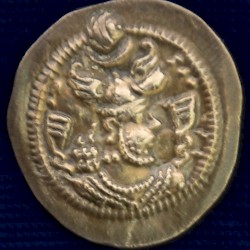 Peroz I |
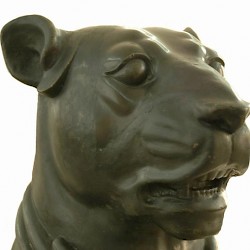 Persepolis, Apadana, Dog's head |
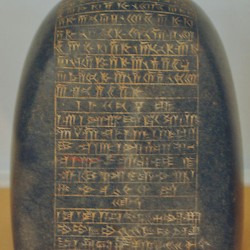 Persepolis, Treasury, Weight DWc |
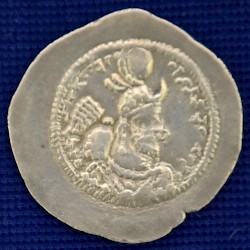 Yazdgard I |
 Susa, Inscription A2Sb |
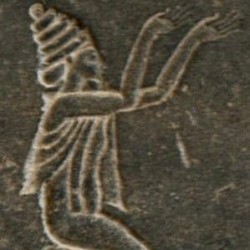 Susa, Statue of Darius, Subject spltj3 (OP. Sparda = Lydia) |
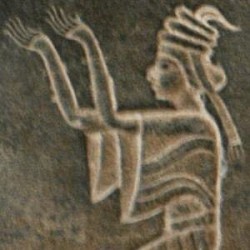 Susa, Statue of Darius, Subject pls (OP. Parsa = Persis) |
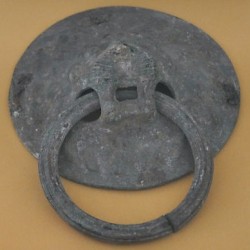 Susa, Handle of a Parthian coffin |
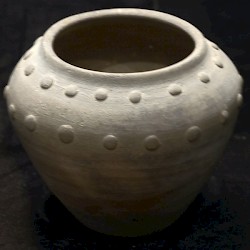 Grey ware from Khurvin |
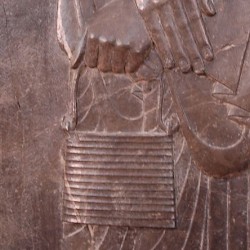 Persepolis, Apadana, Northern Stairs, Central Relief, Guard, Weight |
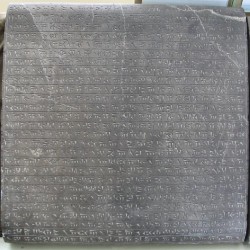 Persepolis, Inscription XPh ("Daiva inscription") |
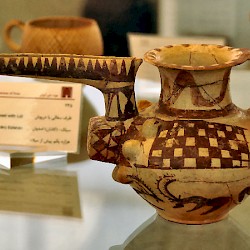 Tepe Sialk, Early first millennium beak pot (2) |
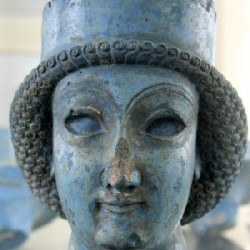 Persepolis, Portrait of an Achaemenid woman or beardless prince |
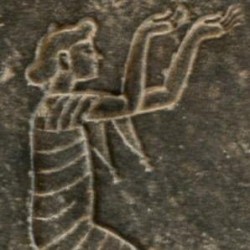 Susa, Statue of Darius, Subject Hgr (Hegra, i.e., Arabia) |
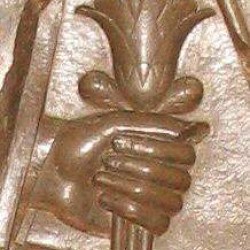 Persepolis, Apadana, Northern Stairs, Central Relief, Darius' flower |
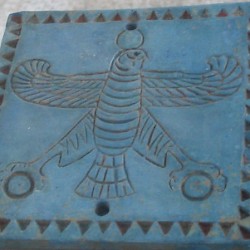 Persepolis, Hall of 32 Columns, Plaque |
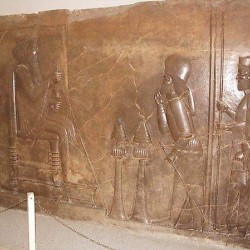 Persepolis, Apadana, Northern Stairs, Central Relief |
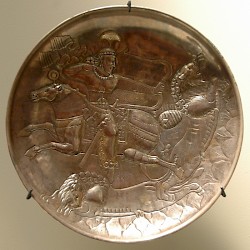 Sari, Sasanian plate |
 Susa, Statue of Darius, Subject b3b3l (Babylonia) |